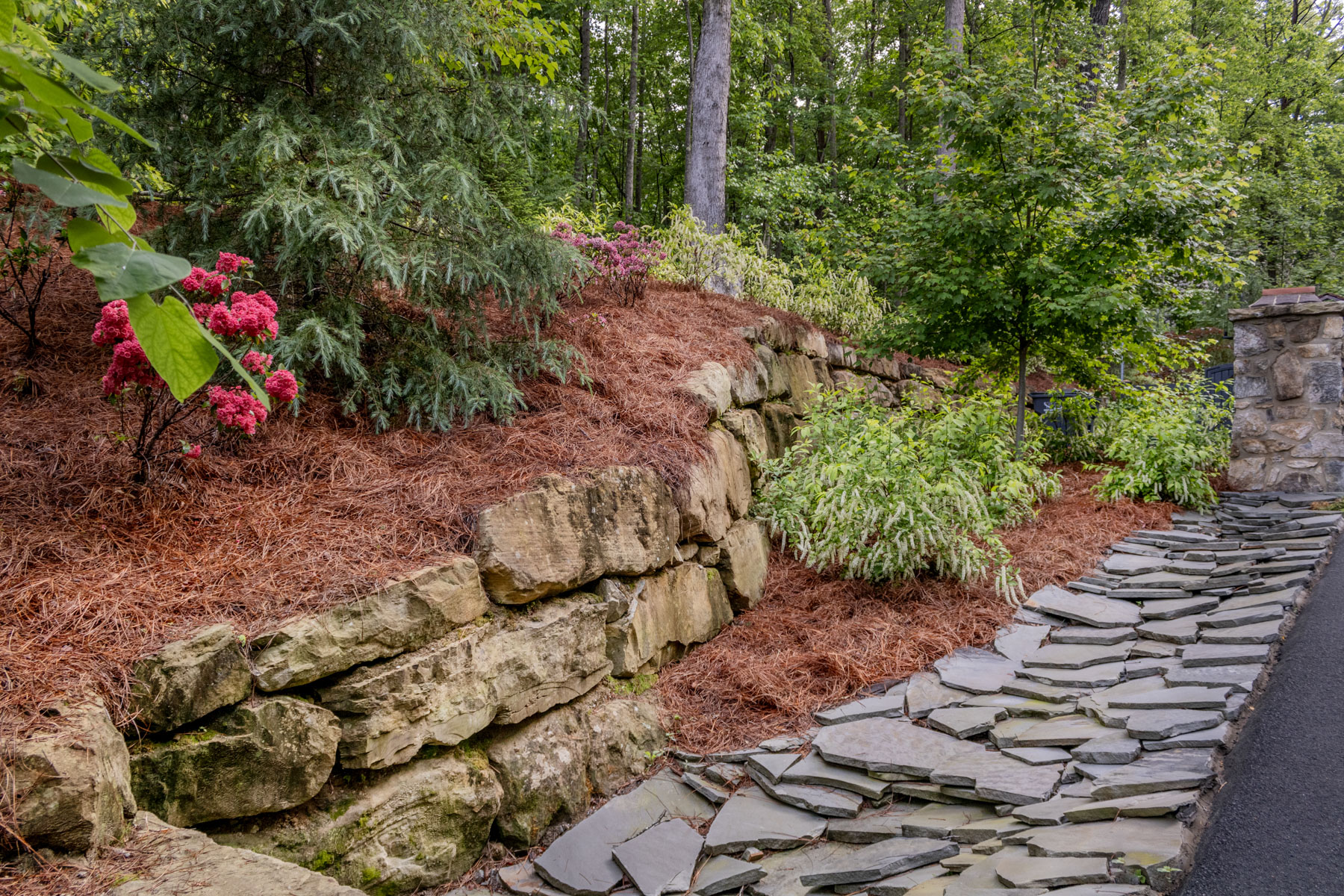
As the colder months settle in, many homeowners shift their focus away from landscaping. However, winter is the perfect time to consider mulching. While typically associated with spring and summer, mulching during winter offers unique advantages for your garden, lawn, and overall landscape health. Here’s why mulching in the winter is a smart choice.
Protection from Extreme Temperatures
Winter brings fluctuating temperatures, which can harm plants and soil. Mulch acts as an insulating layer, protecting your garden from extreme cold and sudden temperature changes. This insulation helps:
- Prevent frost from penetrating deep into the soil.
- Shield the root systems of plants from freezing.
- Maintain a more stable soil environment throughout the season.
This natural “blanket” ensures that your garden’s ecosystem remains intact and ready to thrive when spring arrives.
Despite the perception that winter is a wet season, it often brings periods of dryness, especially in areas with frequent winds. Mulch helps to:
- Retain soil moisture by reducing evaporation.
- Prevent the soil from becoming compacted or overly dry.
- Provide plants with a consistent supply of hydration.
Proper moisture levels not only keep plants healthier during winter but also support soil organisms essential for long-term garden health.
Winter rains, snowmelt, and winds can cause significant soil erosion, washing away nutrients essential for plant growth. Mulching combats erosion by:
- Stabilizing the soil.
- Absorbing and evenly distributing rainwater.
- Reducing the impact of harsh winds on exposed soil.
By preventing erosion, mulch ensures that your landscape remains nutrient-rich and less prone to damage, making springtime planting much easier.
Weed Suppression
Weeds may not seem like an issue in winter, but many varieties germinate during colder months, preparing to sprout in early spring. Mulching during winter creates a barrier that:
- Blocks sunlight from reaching weed seeds.
- Reduces the chances of weed growth before they become a problem.
- Saves time and effort in the spring by keeping your garden weed-free.
One of the lesser-known benefits of winter mulching is its ability to enrich the soil over time. As organic mulches—like wood chips, bark, or straw—break down, they release nutrients into the soil. This natural process offers several advantages:
- Improved Soil Structure: Decomposing mulch adds organic matter, enhancing soil texture and aeration.
- Nutrient Cycling: Key nutrients like nitrogen and potassium become available to plants as the mulch decomposes.
- Support for Microbial Activity: Winter mulching creates an environment conducive to beneficial microorganisms that break down organic material, promoting healthier soil ecosystems.
This slow-release enrichment ensures your garden gets a head start on growth when spring arrives, reducing the need for additional fertilizers.
While winter landscapes often appear barren and dull, mulching can add a fresh, polished look to your outdoor spaces. By spreading a layer of mulch, you can:
- Create Contrast: Rich, earthy tones of mulch stand out against dormant plants, bare soil, or snow, enhancing visual appeal.
- Maintain Uniformity: Covering garden beds and surrounding trees with mulch keeps the area looking tidy and well-maintained.
- Highlight Key Features: Mulch draws attention to ornamental plants, pathways, or hardscaping elements that remain visible through winter.
An attractive landscape even during the cold months makes your outdoor space more inviting and shows thoughtful care, regardless of the season.
Pest Control and Disease Prevention
Mulching in winter not only benefits your plants and soil but also plays a role in reducing pests and plant diseases. A well-applied layer of mulch can:
- Deter Overwintering Pests: Certain pests look for shelter in exposed soil during the winter months. Mulch acts as a physical barrier, making it harder for them to settle.
- Prevent Soil-Borne Diseases: By covering the soil, mulch minimizes the risk of diseases splashing onto plants during rain or snowmelt.
- Encourage Beneficial Insects: Mulch provides a habitat for beneficial insects, like ground beetles, that prey on harmful pests.
Proper mulching practices during winter can reduce the need for chemical interventions later, creating a more balanced ecosystem in your garden.
Prepare Your Landscape for Success This Winter
Mulching during the winter is a simple yet impactful way to protect your landscape and ensure a healthier, more vibrant outdoor space come spring. From safeguarding roots against extreme cold to enriching the soil, preventing weeds, and maintaining aesthetic appeal, the benefits are numerous. By taking the time to mulch now, you’re setting the stage for a thriving garden and lawn in the months ahead.
If you’re ready to enhance your landscape with professional mulching and other expert services, Precision Landscape Management is here to help. Serving Greenville, South Carolina, and surrounding areas, our team specializes in creating and maintaining beautiful outdoor spaces year-round. Call us at 864-660-0611 to discuss your landscaping needs and get your property winter-ready today!
Frequently Asked Questions
1. Is it too late to mulch if winter has already started?
Not at all! While mulching is ideally done before the first hard freeze, it’s never too late to reap the benefits. Even in the middle of winter, applying mulch can help protect your plants and soil from further temperature fluctuations, retain moisture, and prevent erosion.
2. What types of mulch are best for winter?
Organic mulches, such as shredded bark, wood chips, straw, or compost, are excellent choices for winter mulching. These materials provide insulation, suppress weeds, and break down over time, enriching the soil. Avoid using freshly chipped wood or overly compacted mulch, as they may draw nitrogen from the soil during decomposition.
3. Should I remove old mulch before applying a new layer?
It depends on the condition of the existing mulch. If it’s decomposing well and not overly compacted, you can add a fresh layer on top for additional insulation. However, if the old mulch has matted or become moldy, it’s best to remove it to prevent any potential harm to plants and soil.
4. How do I ensure I’m applying mulch correctly during winter?
To maximize the benefits of winter mulching, spread it evenly across garden beds and around plants, ensuring it covers exposed soil. Avoid piling mulch directly against tree trunks or plant stems, as this can lead to moisture buildup and rot.