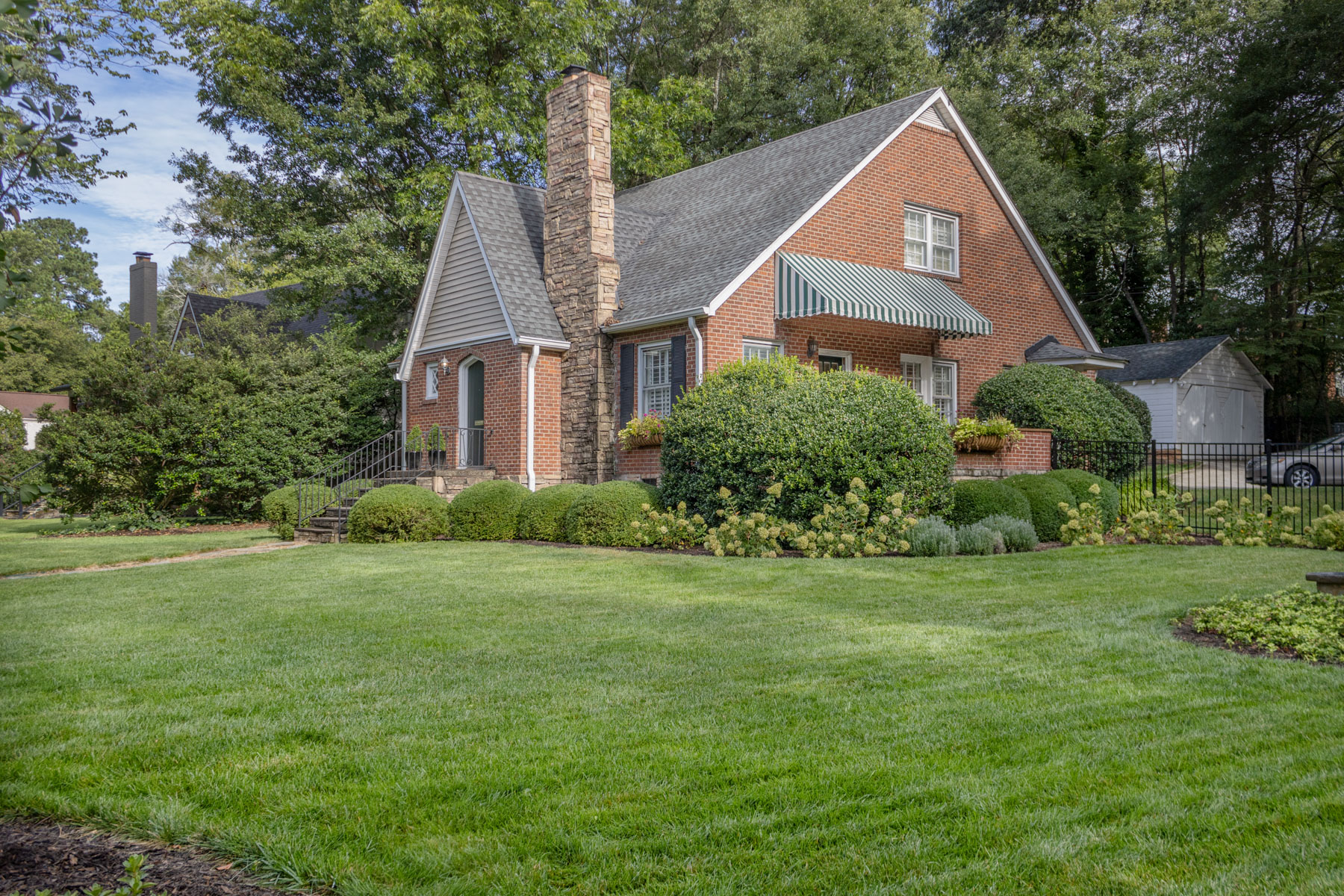
South Carolina’s warm, humid climate creates both opportunities and challenges for homeowners looking to maintain beautiful lawns and gardens. From selecting heat-tolerant grasses to managing water during hot summers, successful landscaping requires an understanding of the local environment.
To help your landscape thrive in the Upstate region, including Greenville and Seneca, it’s essential to focus on strategic springtime tasks like soil preparation, proper plant selection, and effective lawn care techniques tailored to South Carolina’s climate.
In this article, we’ll cover expert tips on plant selection and seasonal irrigation strategies to help you create a vibrant, low-maintenance outdoor space that thrives year-round.
South Carolina, especially in areas like Greenville and Seneca, experiences a humid subtropical climate with hot summers and mild winters. This climate supports a wide range of plant species, but successful landscaping starts with proper soil management.
Key Soil Characteristics in Upstate South Carolina:
- Clay-heavy soil: Common in the region, clay soil retains moisture but drains poorly, which can lead to root rot without proper grading or amendments—essential for effective landscaping.
- Acidic pH: Many areas have naturally acidic soil, which can benefit certain plants like azaleas and camellias but may require adjustments for turfgrass.
Tips for Soil Preparation:
- Conduct a soil test to determine pH and nutrient levels. (Local extension offices offer affordable testing services.)
- Amend clay soil with organic matter such as compost or pine bark fines to improve drainage and structure for better landscaping conditions.
- Add lime if the soil is too acidic for turfgrass varieties like Bermuda or Zoysia.
Smart Plant Choices for South Carolina Landscapes
Choosing the right plants is essential for a thriving landscape in South Carolina’s warm, humid climate. With proper plant selection, you’ll not only reduce maintenance but also ensure your landscaping stays vibrant year-round. Here’s how to make smart choices for your lawn, garden beds, and outdoor spaces.
Best Grass Types for South Carolina Lawns
The Upstate region’s hot summers and mild winters call for hardy, drought-resistant grasses that enhance the durability of your landscaping:
- Bermudagrass: The go-to choice for sunny areas. It grows quickly, handles foot traffic well, and is drought-tolerant—perfect for active yards.
- Zoysiagrass: Ideal for homeowners seeking a soft, dense lawn. It’s heat-resistant, tolerates partial shade, and grows slower, meaning less mowing.
- Tall Fescue: The best option for shaded or partially shaded areas. It’s a cool-season grass that stays green longer into fall and early winter.
Pro Tip: In South Carolina, many homeowners choose a blend of warm- and cool-season grasses to keep their lawn green year-round.
Top Native Plants for Low-Maintenance Gardens
Native plants thrive in local conditions, supporting pollinators and reducing the need for fertilizers or pesticides.
- Flowers: Coneflowers, Black-eyed Susans, and Bee Balm for vibrant color and pollinator support.
- Shrubs: Azaleas and Oakleaf Hydrangeas, both suited to the region’s acidic soil.
- Trees: Southern Magnolias and Dogwoods, known for their classic Southern charm.
By selecting grasses and native plants that are well-suited to South Carolina’s climate, you’ll create a landscape that’s both beautiful and easy to maintain. These choices not only reduce water usage and maintenance needs but also support local wildlife, creating a thriving landscaping ecosystem right in your yard.
Seasonal Watering and Irrigation Tips for South Carolina Landscapes
South Carolina’s warm, humid climate means your landscape has different watering needs throughout the year. Adjusting your irrigation habits with the seasons helps keep your lawn and plants healthy while conserving water. Here’s a season-by-season guide to smart watering and irrigation practices.
Spring: Establish Strong Roots and Prepare for Summer Heat
Spring is the time to set your landscape up for success by promoting deep root growth.
- Water Deeply and Infrequently: Apply about 1 inch of water per week, encouraging roots to grow deeper into the soil.
- Best Time to Water: Water early in the morning (4 a.m. to 9 a.m.) to reduce evaporation and prevent fungal growth.
- Check Irrigation Systems: Inspect sprinkler heads for leaks or clogs to ensure even coverage throughout your landscaping.
Pro Tip: Early spring is a great time to install a smart irrigation system that adjusts automatically based on rainfall and temperature.
Summer: Conserve Water and Reduce Heat Stress
South Carolina summers can be scorching, making it crucial to water efficiently.
- Water Twice Weekly: Provide a total of 1 inch of water per week, delivered in 2 deep sessions to prevent runoff and promote root growth.
- Use Drip Irrigation for Plants: Drip systems target roots directly, minimizing evaporation and saving water.
- Mow Smart: Keep grass longer (about 3 inches) to shade the soil and reduce moisture loss.
Pro Tip: Add a 2-3 inch layer of mulch around shrubs and trees to retain soil moisture and reduce evaporation.
Fall: Reduce Watering and Prepare for Dormancy
As temperatures cool, most grasses and plants enter a slower growth phase.
- Water Less Frequently: Reduce watering to about ½ inch per week, depending on rainfall, to prepare your landscaping for winter.
- Winterize Irrigation Systems: Before the first freeze, drain and blow out sprinkler lines to prevent pipe damage.
- Overseed Lawns: For Bermuda or Zoysia lawns, overseed with Ryegrass to maintain green color through winter.
Pro Tip: Fall is a great time to aerate your lawn before reducing watering, allowing moisture to reach deep roots.
Winter: Focus on System Maintenance
Winters in Upstate South Carolina are mild, but occasional cold snaps can occur.
-
Pause Regular Irrigation: Lawns are mostly dormant and typically need water only during extended dry periods.
- Maintain Irrigation Equipment: Clean filters, nozzles, and sensors to prepare for spring.
- Avoid Watering on Frosty Mornings: This prevents ice from forming on grass blades, which can cause damage.
Creating a Thriving Landscape in South Carolina
Thriving in South Carolina’s warm, humid climate requires a thoughtful approach to plant selection, irrigation, and seasonal landscaping care. By choosing resilient grass varieties and native plants, you reduce maintenance while supporting local ecosystems. Adjusting your watering routines with the seasons not only promotes plant health but also conserves water and protects your landscape investment.
At Precision Landscape Management, we understand the unique challenges and opportunities of landscaping in Upstate South Carolina. Whether you need expert plant selection, irrigation design, or year-round lawn care, we’re here to help. Simply fill out our contact form or call us at (864) 660-0611 to get started.
Let us bring your vision to life with landscaping that’s both beautiful and built to thrive in every season.
Frequently Asked Questions
How much does professional landscaping cost in the Greenville, SC area?
The cost of landscaping services varies depending on the scope of work. Basic lawn care can start around $50–$100 per visit, while full-scale landscape design and installation projects can range from $3,000 to $15,000 or more, depending on the size and features.
When is the best time to plant new grass or shrubs in Upstate South Carolina?
The best time to plant new grass or shrubs is during the fall or early spring. Fall planting allows roots to establish before summer heat, while spring planting prepares your landscape for healthy summer growth.
Do I need to adjust my irrigation system for different seasons in South Carolina?
Yes, adjusting your irrigation with the seasons is crucial. Water more frequently in summer (twice a week), less in spring and fall (once a week or as needed), and pause irrigation during winter unless there are extended dry periods.