Choosing the best plants for your Upstate SC landscape design is an important part of the process. You want to make sure that you have plants that contribute to the aesthetic beauty of your property. But you don’t necessarily want choices that will mean a ton of extra work.
Installing plants native to South Carolina can give you the best of all worlds. Native plants can be lower maintenance choices that still look stunning in the landscape.
In this article, we’ll talk about why native plants might be a wise choice for your design. We’ll also talk about which native plant options we love and why.
Jump To:
What Makes a Plant “Native” to South Carolina?
Why Native Plants Make Sense for Upstate South Carolina Landscapes
5 Native Trees for Lake Keowee Homes
6 Native Shrubs to Add Texture, Privacy, and Year-Round Interest
7 Native Flowers and Perennials for Seasonal Color
FAQs About Choosing Native Plants
Why Working with a Professional Like Precision Matters
What Makes a Plant “Native” to South Carolina?
A plant that is native to South Carolina is one that already grew in the region prior to someone bringing it here. Because of this, these plants are well-adapted to the region’s climate and overall environmental conditions. They tend to grow and thrive with less maintenance than other plants.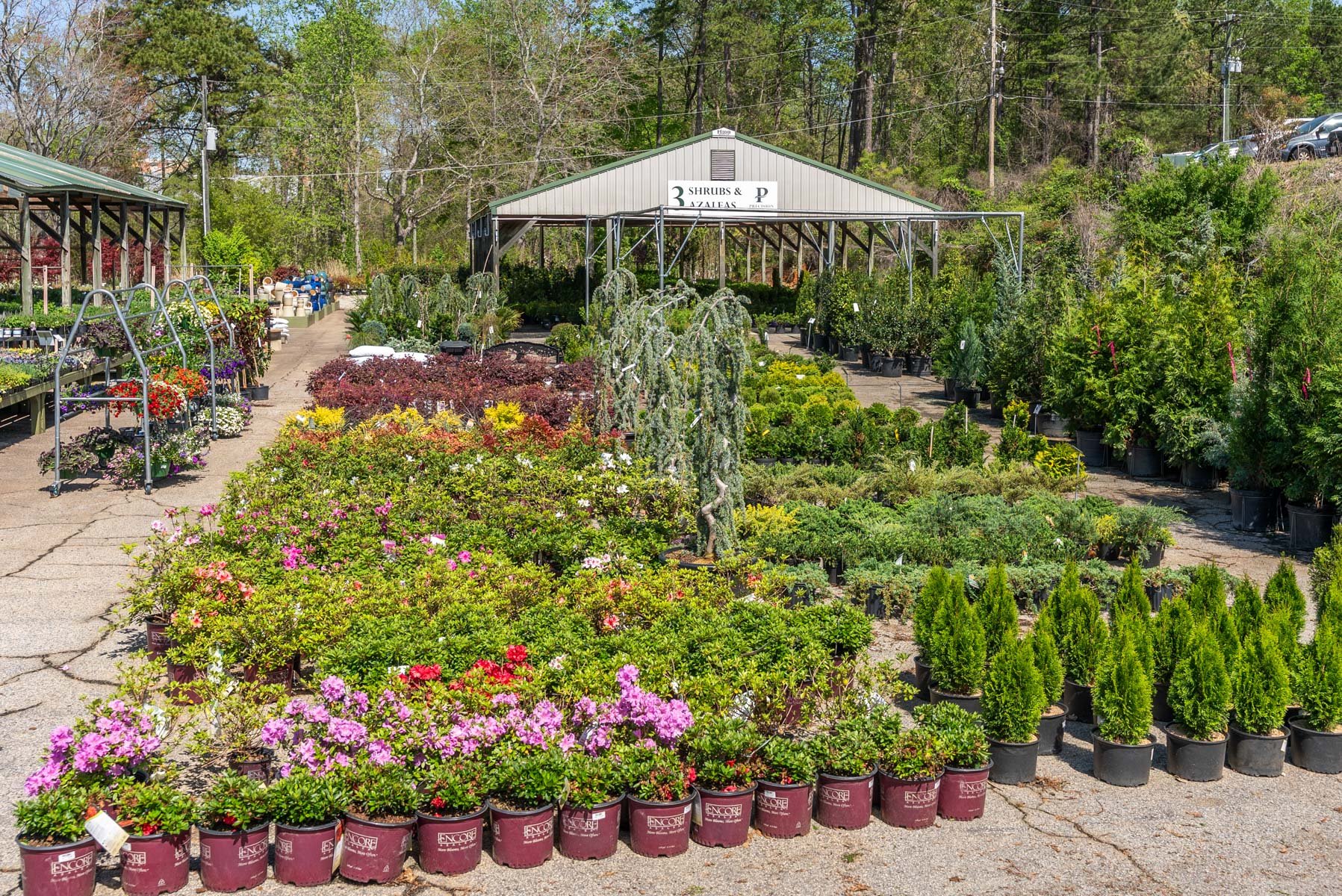
Native flowers and shrubs make an excellent choice for your Upstate SC landscape design thanks to a multitude of benefits.
While we love using natives, we do want to stress they’re not your only choice. There are also many naturalized plant options that have become well-adapted to the region even though they were not originally found here.
We have found that many plants that are native to the Southeastern US (in general) can still make an excellent option in our designs. Limiting yourself to ONLY plants that are native to Upstate South Carolina can be limiting and not necessary.
Why Native Plants Make Sense for Upstate South Carolina Landscapes
Native plants can be some of the best plants for an Upstate SC landscape design. Not only do they make an attractive addition to your landscape, but there are a number of other tangible benefits to using plants native to South Carolina.
-
Lower Maintenance: Because they naturally evolved in the region, native plants are already well-adapted to the environmental conditions. This means they require less maintenance (including less water) in order to continue thriving. You can anticipate strong long-term plant health with less fertilizing, less watering, and overall less care.
-
Blending with the Natural Landscape: Native plants also blend well with the natural landscapes of the area. The colors, shapes, and overall growth habits tend to complement the area. They also grow alongside other native plants easily.
-
Environmental Benefits: There are also environmental benefits to using plants native to South Carolina. They attract local birds, butterflies, and other pollinators and play an important role in the local ecosystem.
5 Native Trees for Lake Keowee Homes
Choosing the right trees for Upstate SC landscapes is important. Here are 5 native trees that we find work well in our landscape designs.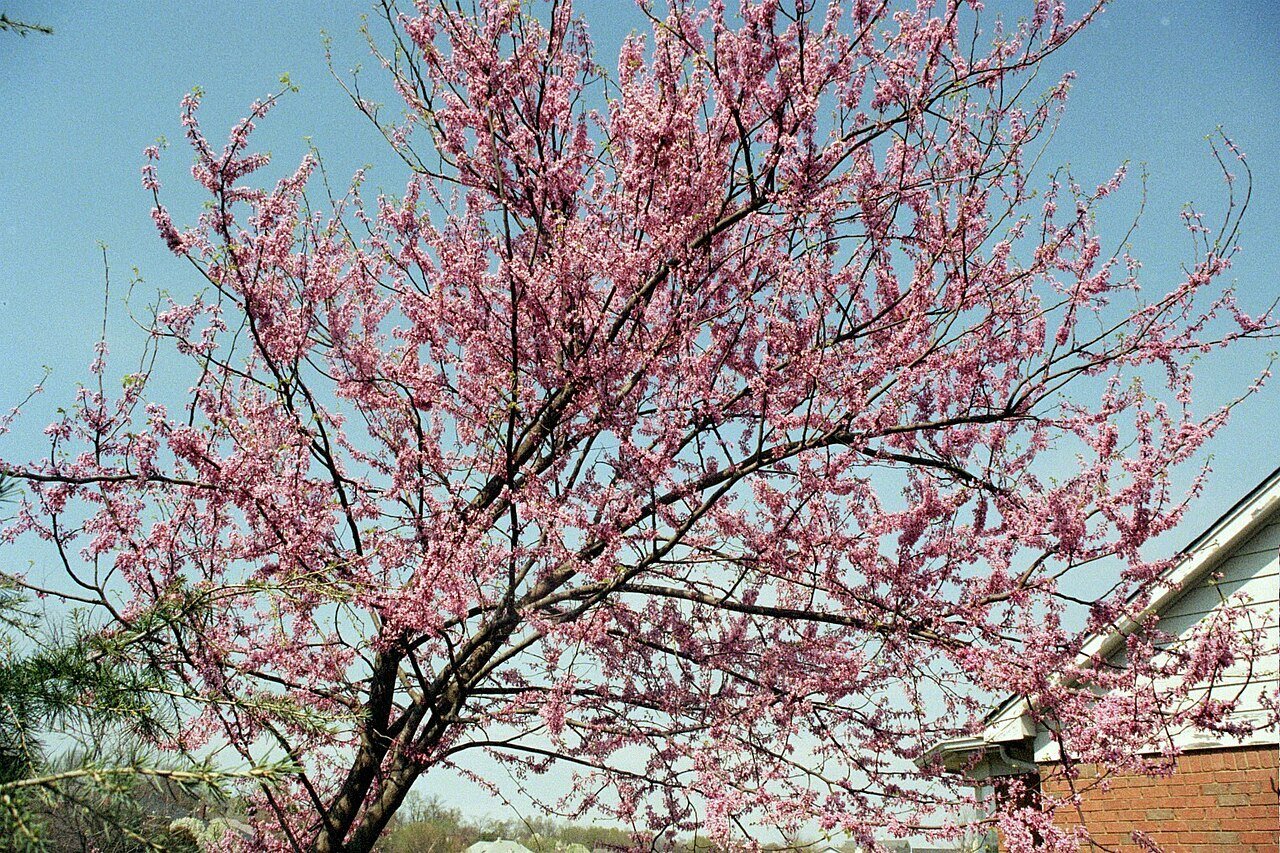
Eastern Redbud (Cercis canadensis)
-
One of the first trees to bloom each spring with vibrant pink flowers.
-
Excellent understory tree for smaller spaces.
-
Supports native pollinators.
-
Adds seasonal color without blocking lake views.
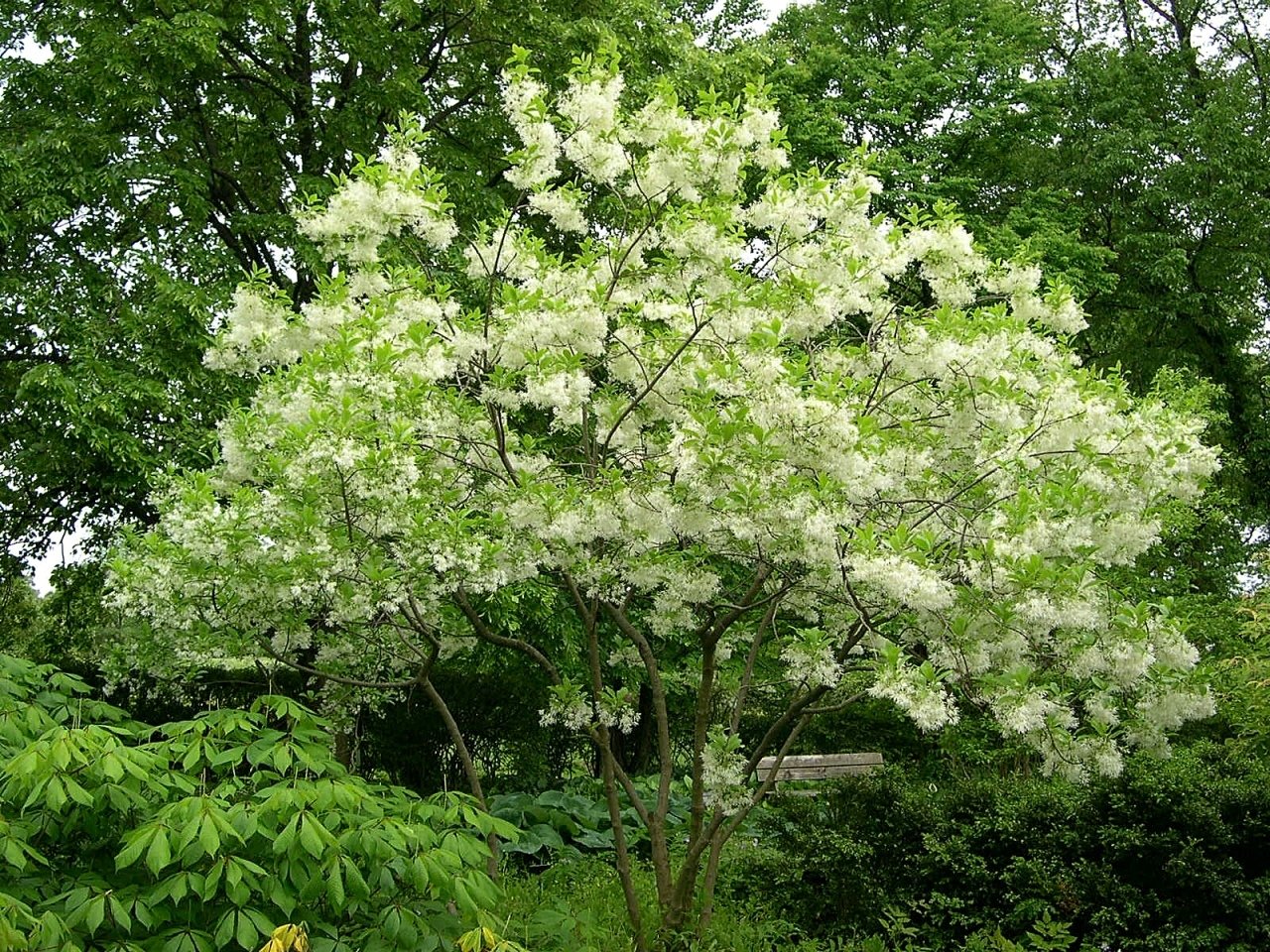
Fringe Tree (Chionanthus virginicus)
-
Produces clouds of fragrant, fringe-like white flowers in spring.
-
Excellent specimen tree for residential landscapes.
-
Provides multi-season interest with flowers, attractive foliage, and blue-black fruit on female plants.
-
Well suited to woodland edges and naturalistic lakefront settings.
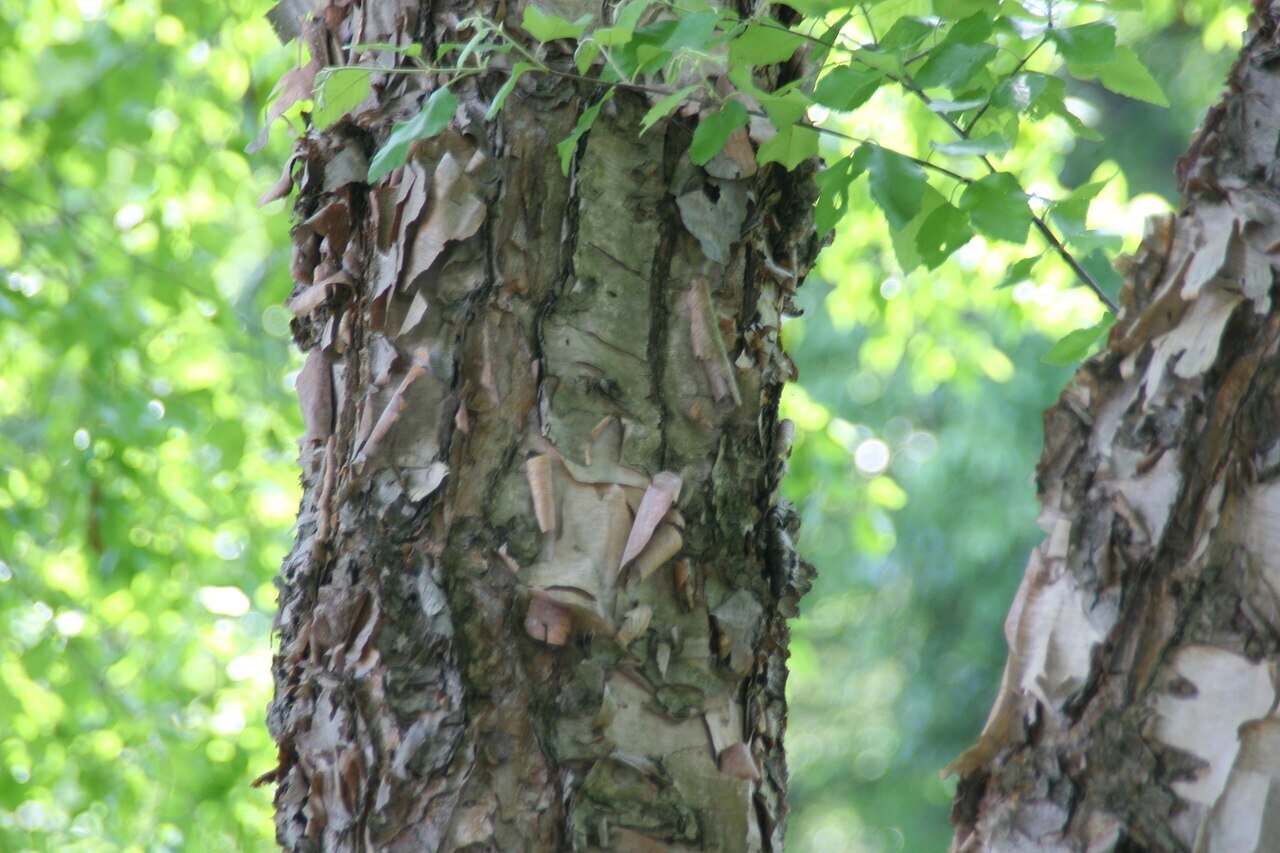
River Birch (Betula nigra)
-
Well adapted to moist soils and lakefront environments.
-
Attractive peeling bark creates year-round interest.
-
Fast-growing and durable.
-
Handles occasional wet conditions better than many shade trees.
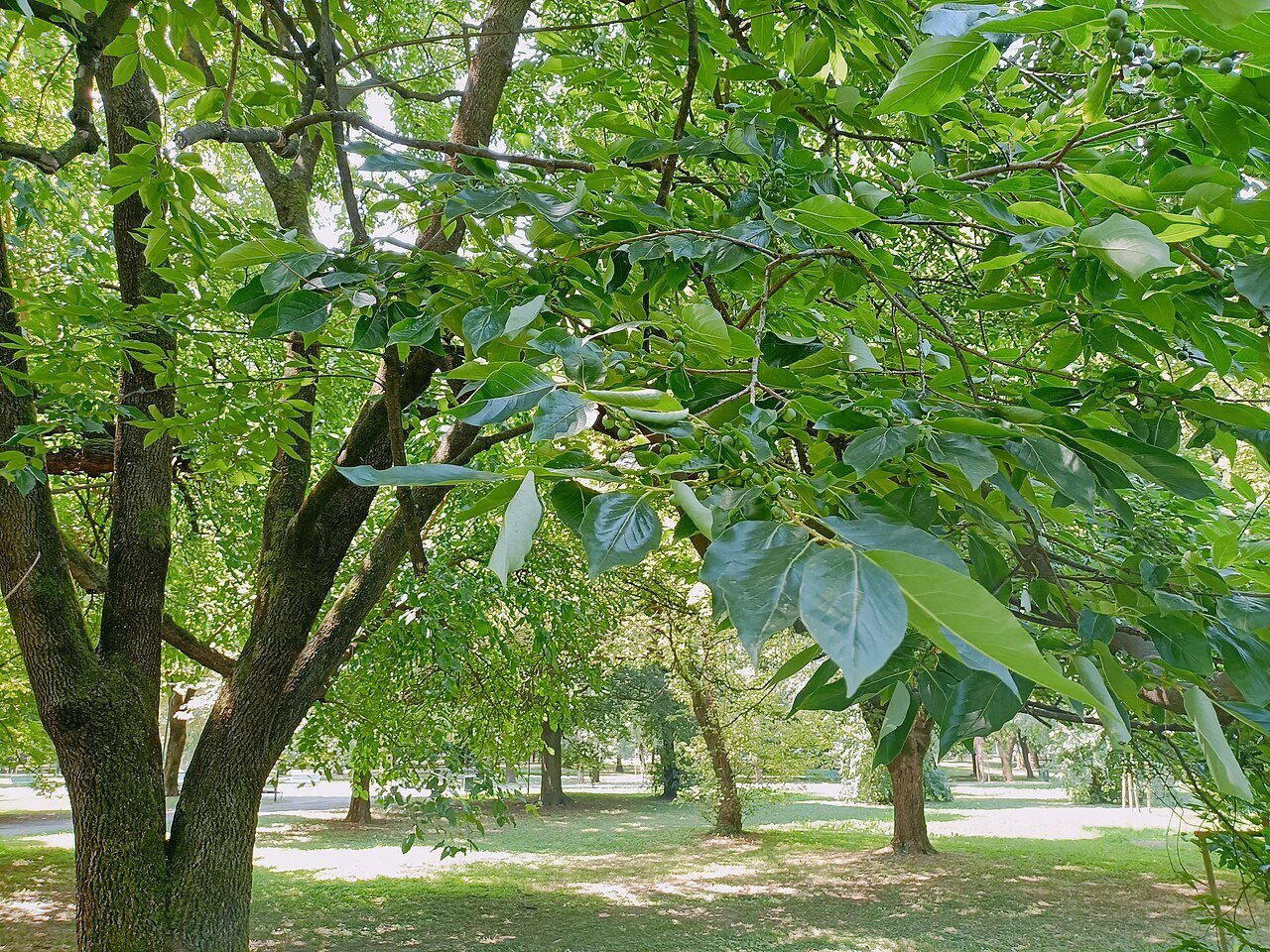 Black Gum (Nyssa sylvatica)
-
Exceptional scarlet-red fall color.
-
Strong wildlife value with fruits that attract birds.
-
Adaptable to a variety of site conditions.
-
Excellent specimen tree for naturalistic landscapes.
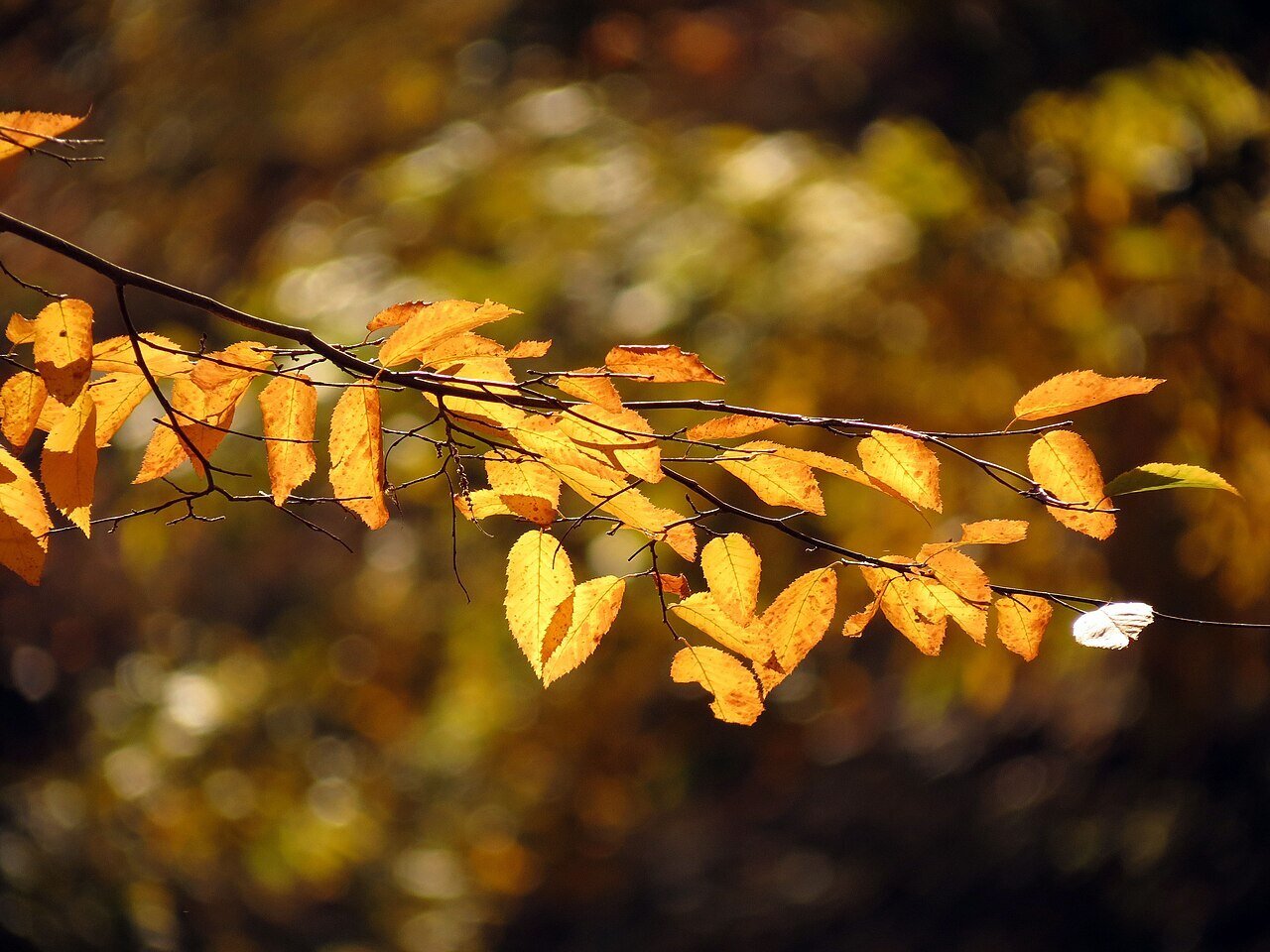
American Hornbeam (Carpinus caroliniana)
-
Ideal for woodland gardens and filtered shade.
-
Distinctive smooth gray bark provides winter interest.
-
Smaller mature size works well in residential landscapes.
-
Particularly suited to naturalized and lakefront settings.
6 Native Shrubs to Add Texture, Privacy, and Year-Round Interest
Native shrubs are another important element of any landscape design. Here are 6 that we love.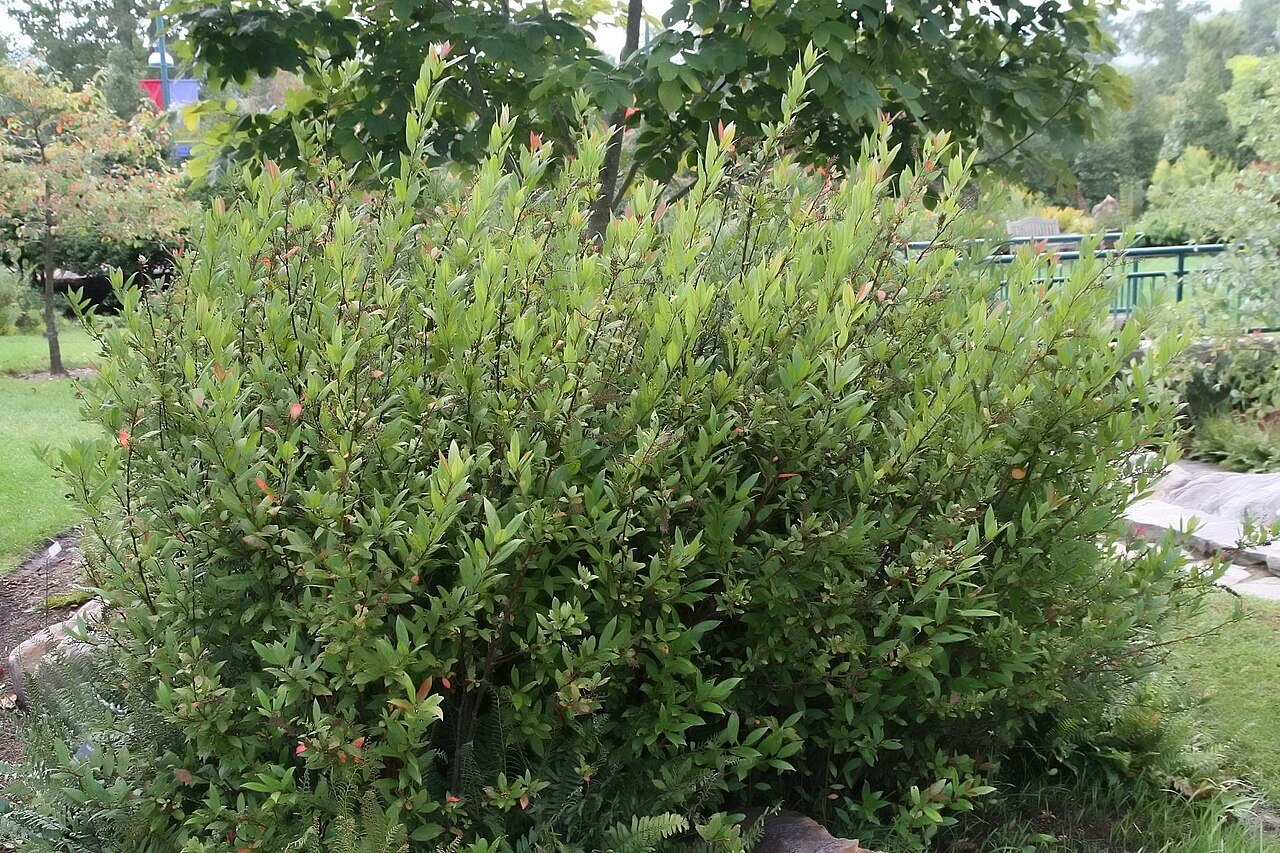
Virginia Sweetspire (Itea virginica)
-
Outstanding fall color, often ranging from orange to deep burgundy.
-
Fragrant white flower spikes in late spring.
-
Adaptable to both moist and average soils.
-
Excellent for mass plantings, foundations, and naturalized areas.
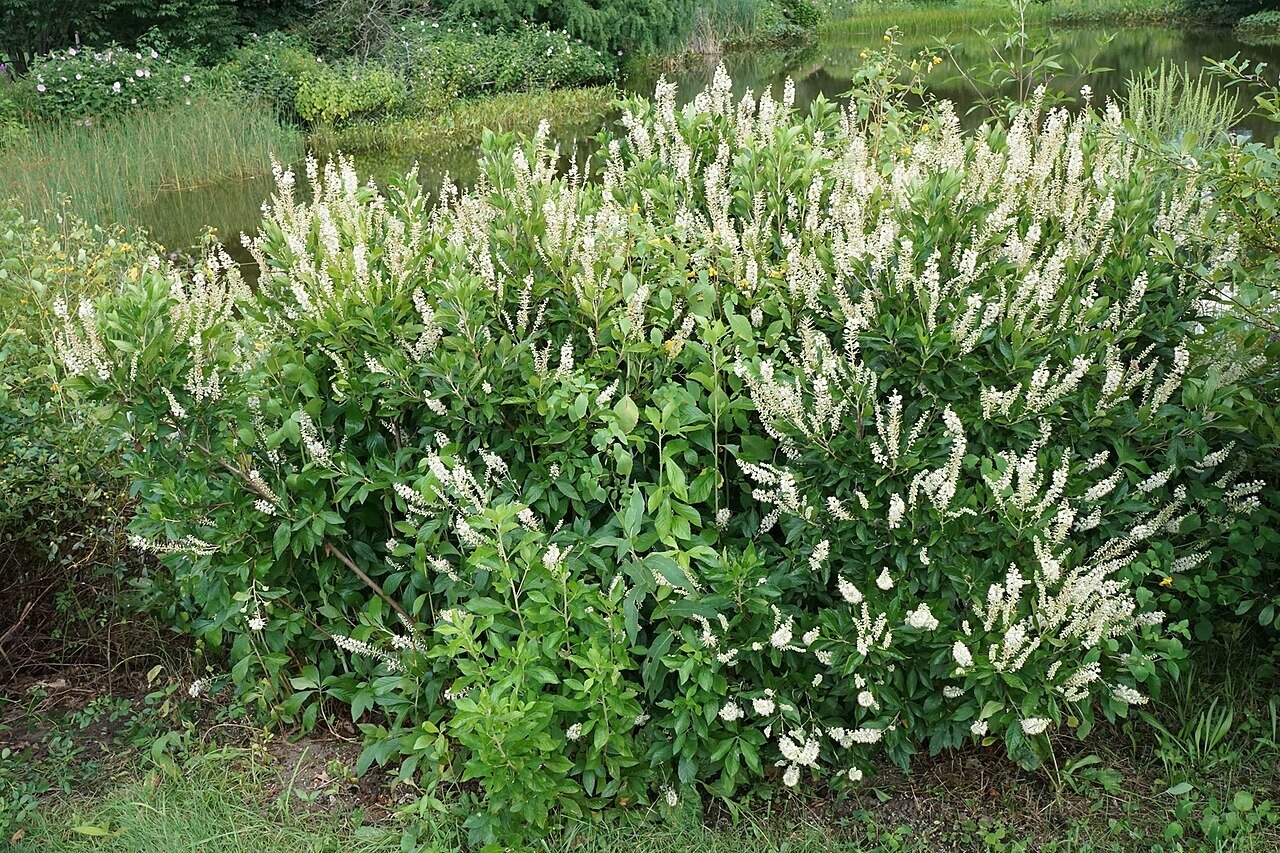 Summersweet (Clethra alnifolia)
-
One of the few native shrubs that blooms well in partial shade.
-
Highly fragrant summer flowers attract bees, butterflies, and other pollinators.
-
Thrives in moist soils but adapts to typical landscape conditions.
-
Provides valuable color and fragrance during the heat of summer when many shrubs have finished blooming.
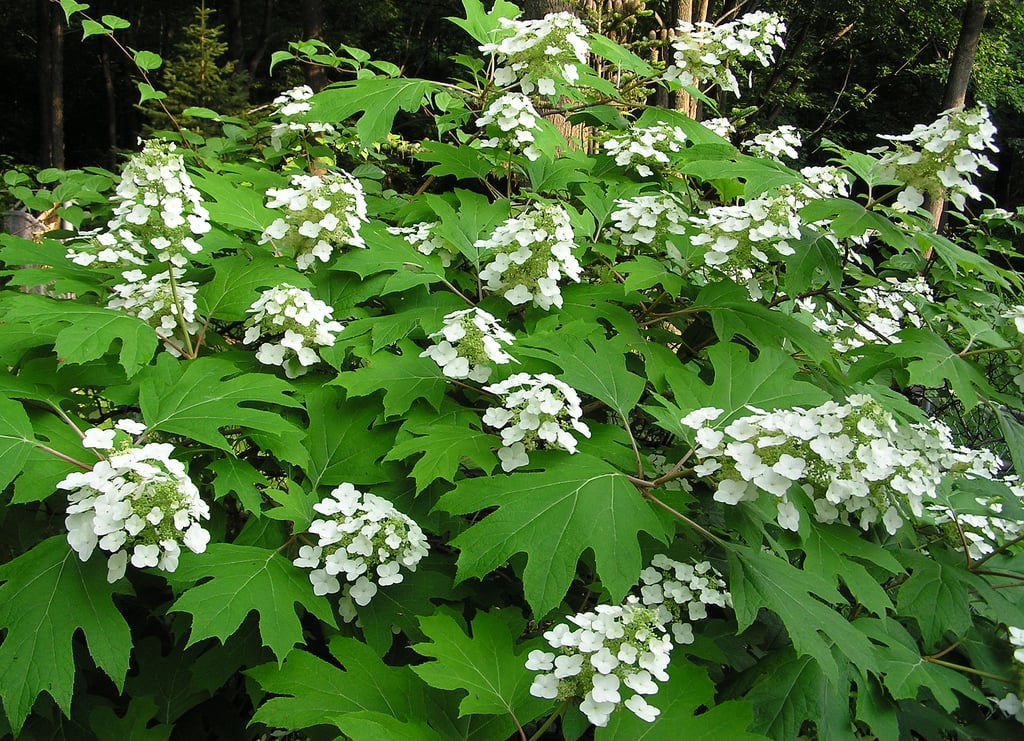
Oakleaf Hydrangea (Hydrangea quercifolia)
-
Large cone-shaped blooms in summer.
-
Outstanding four-season interest with attractive foliage, fall color, and exfoliating bark.
-
Native to the Southeast and exceptionally well-suited to Upstate landscapes.
-
Performs especially well in woodland and lakefront settings.
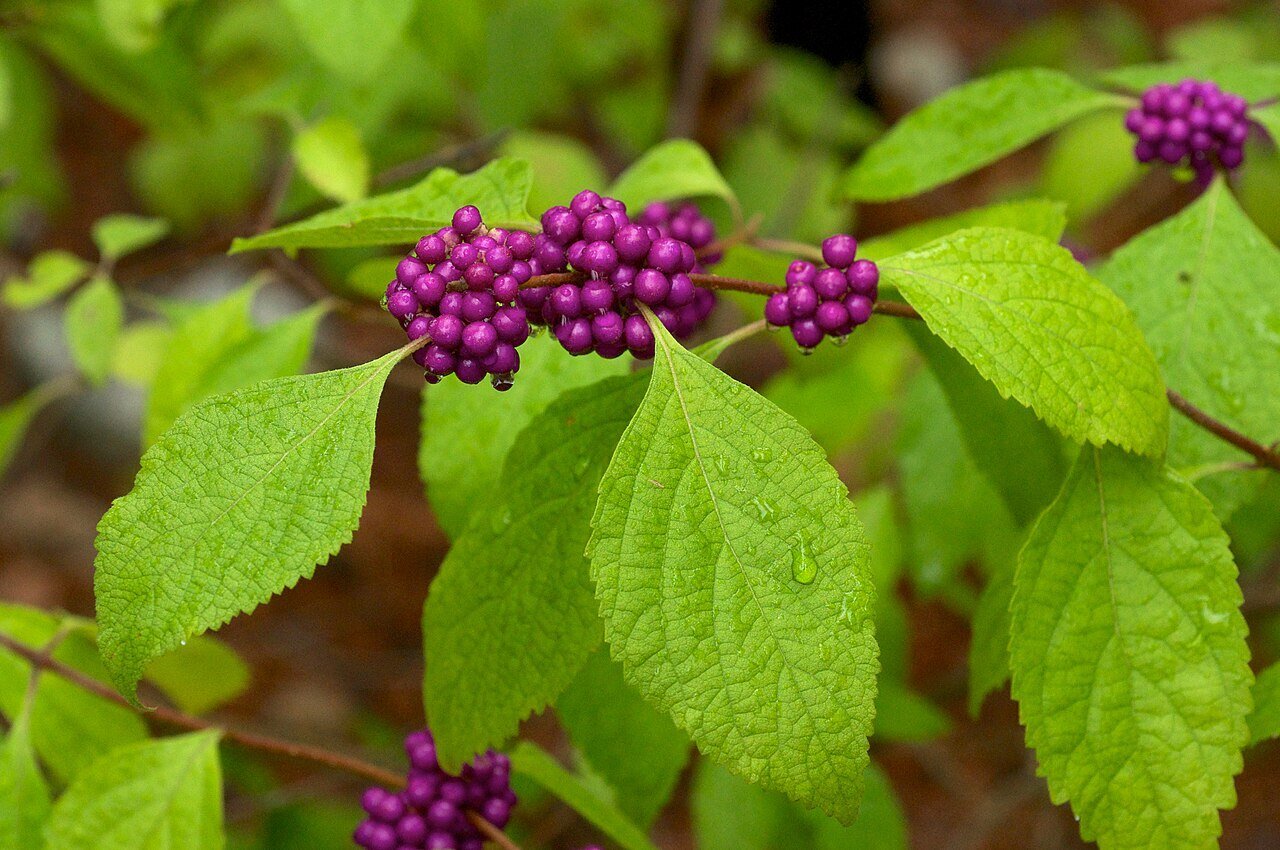 American Beautyberry (Callicarpa americana)
-
Known for its striking clusters of bright purple berries in fall.
-
Provides food for birds and other wildlife.
-
Adaptable to sun or part shade.
-
Adds unique seasonal interest that few other shrubs can match.
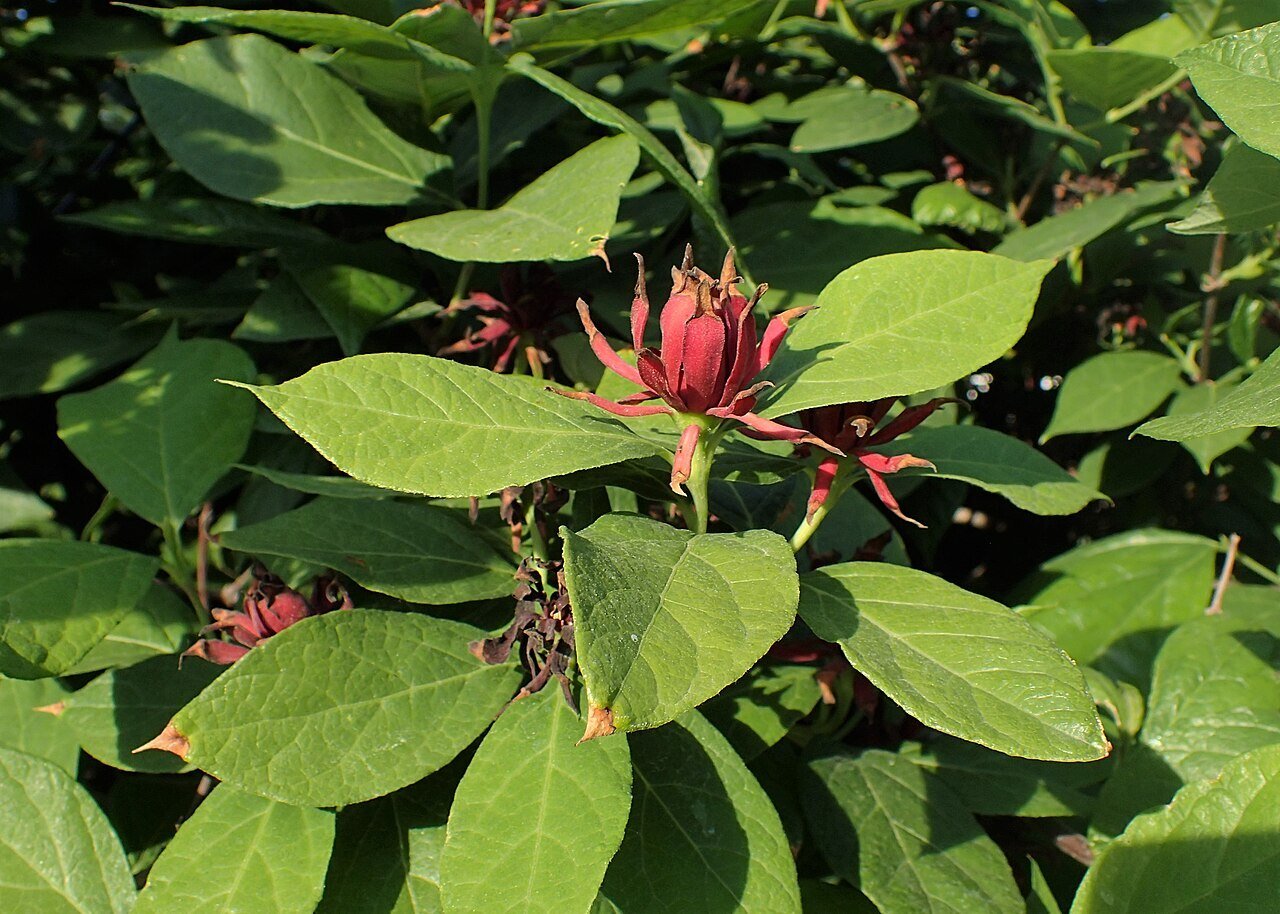
Carolina Allspice (Calycanthus floridus)
-
Fragrant burgundy-red flowers in spring and early summer.
-
Dense, rounded growth habit works well in borders and naturalized landscapes.
-
Tough, adaptable native shrub that performs well in sun or part shade.
-
Adds texture and a distinctive native character to the landscape.
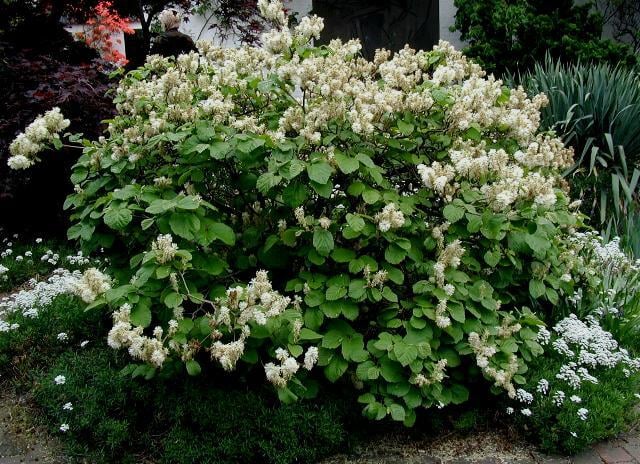 Mountain Witch-Alder (Fothergilla major)
-
Unique bottlebrush-like flowers emerge before the foliage in spring.
-
Exceptional fall color with shades of yellow, orange, and red.
-
Compact growth habits fit well into residential landscapes.
-
Offers multi-season interest and excellent adaptability.
7 Native Flowers and Perennials for Seasonal Color
Native flowers provide the burst of color that can bring any SC landscape to life. Here are 7 of our favorite picks and what makes them great.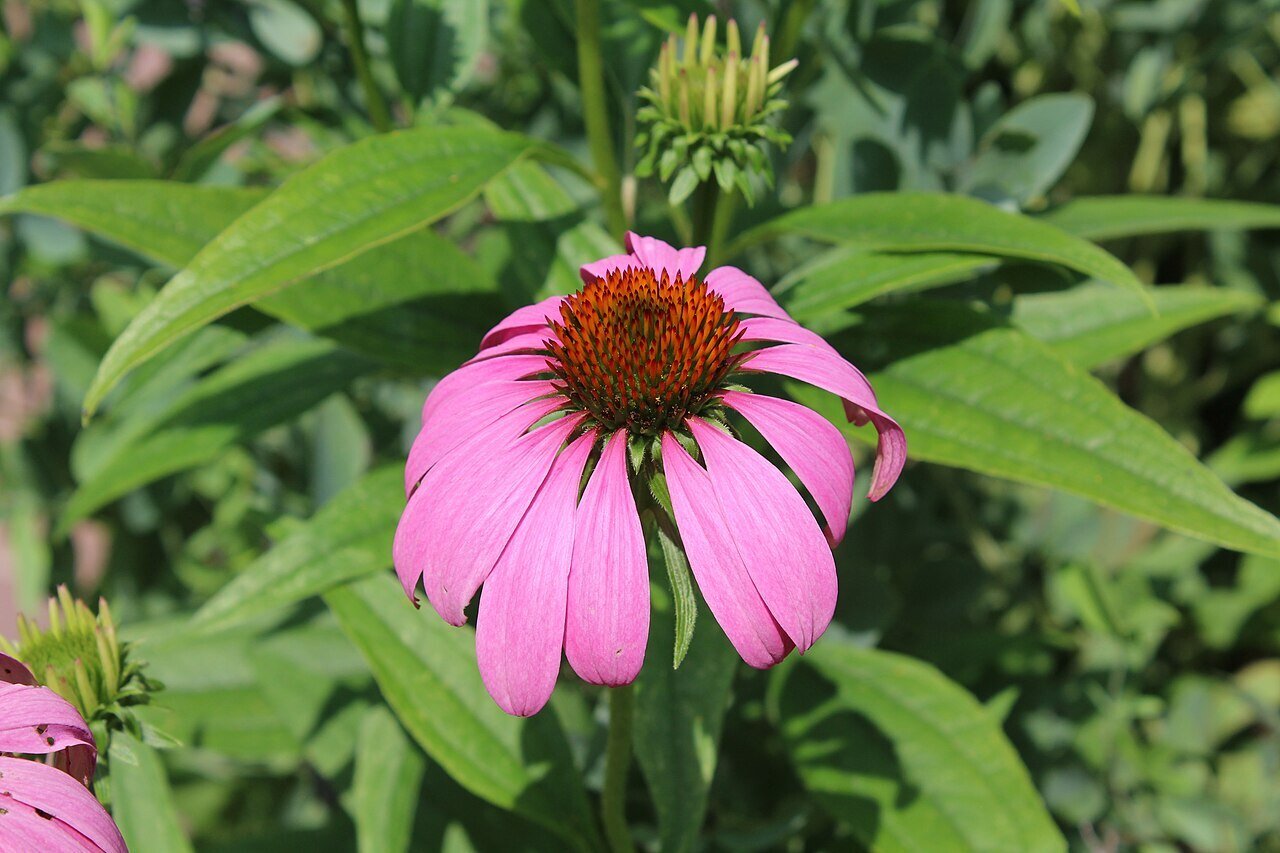
Purple Coneflower (Echinacea purpurea)
-
Long bloom period.
-
Excellent pollinator plant.
-
Drought tolerant once established.
-
Reliable performer in Upstate landscapes.
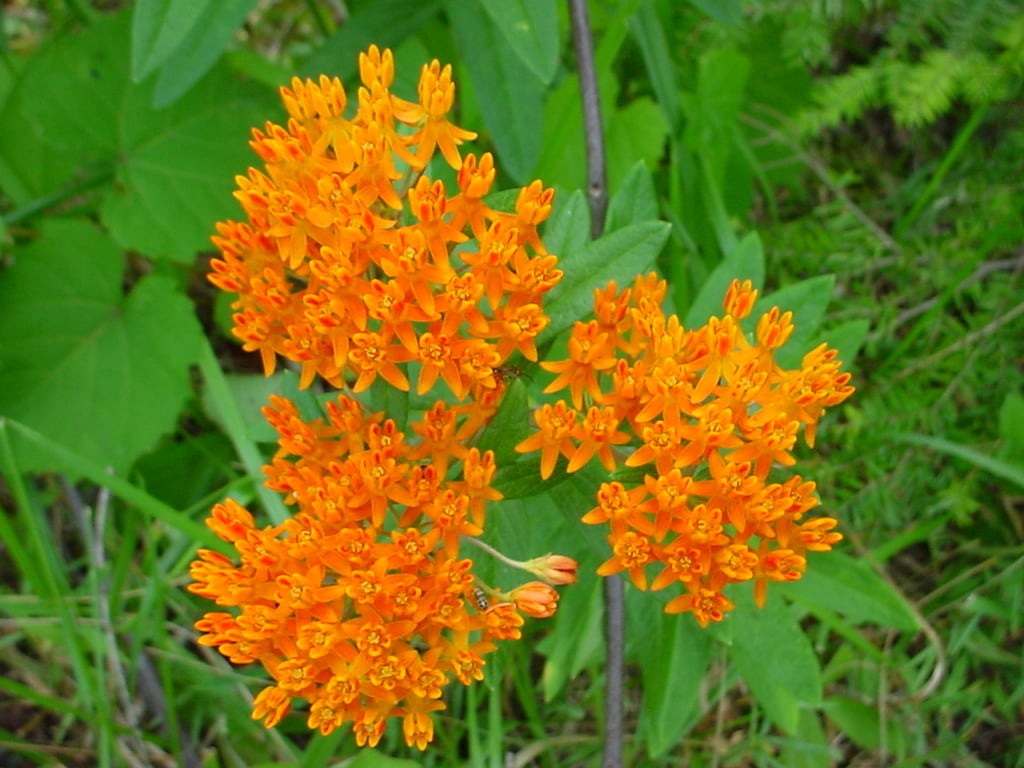 Butterfly Weed (Asclepias tuberosa)
-
Host plant for monarch butterflies.
-
Brilliant orange flowers.
-
Excellent drought tolerance.
-
Thrives in sunny sites.
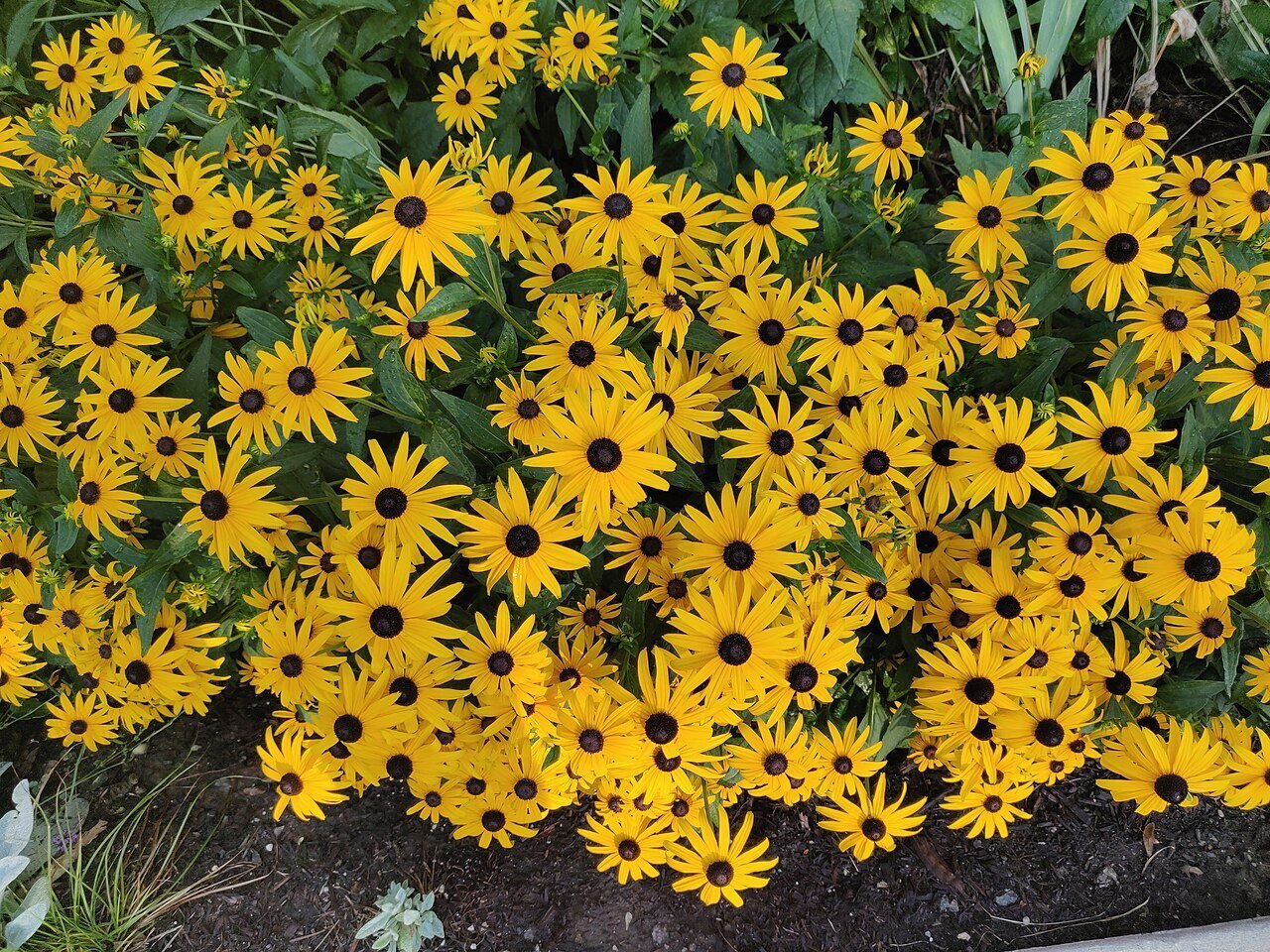
Black-Eyed Susan (Rudbeckia fulgida)
-
Bright summer color.
-
Easy to grow and maintain.
-
Attracts pollinators.
-
Excellent mass planting option.
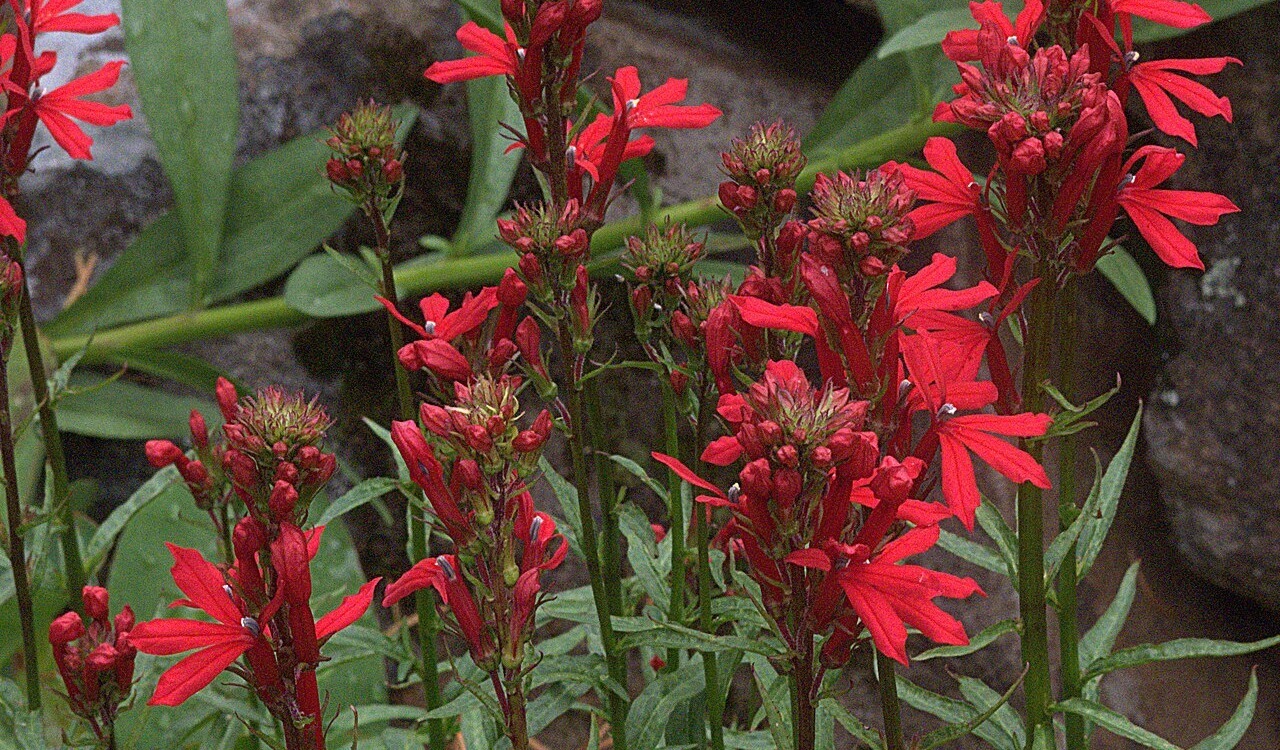 Cardinal Flower (Lobelia cardinalis)
-
Brilliant red blooms.
-
Hummingbird favorite.
-
Excellent near water features or moist areas.
-
Strong native garden performer.
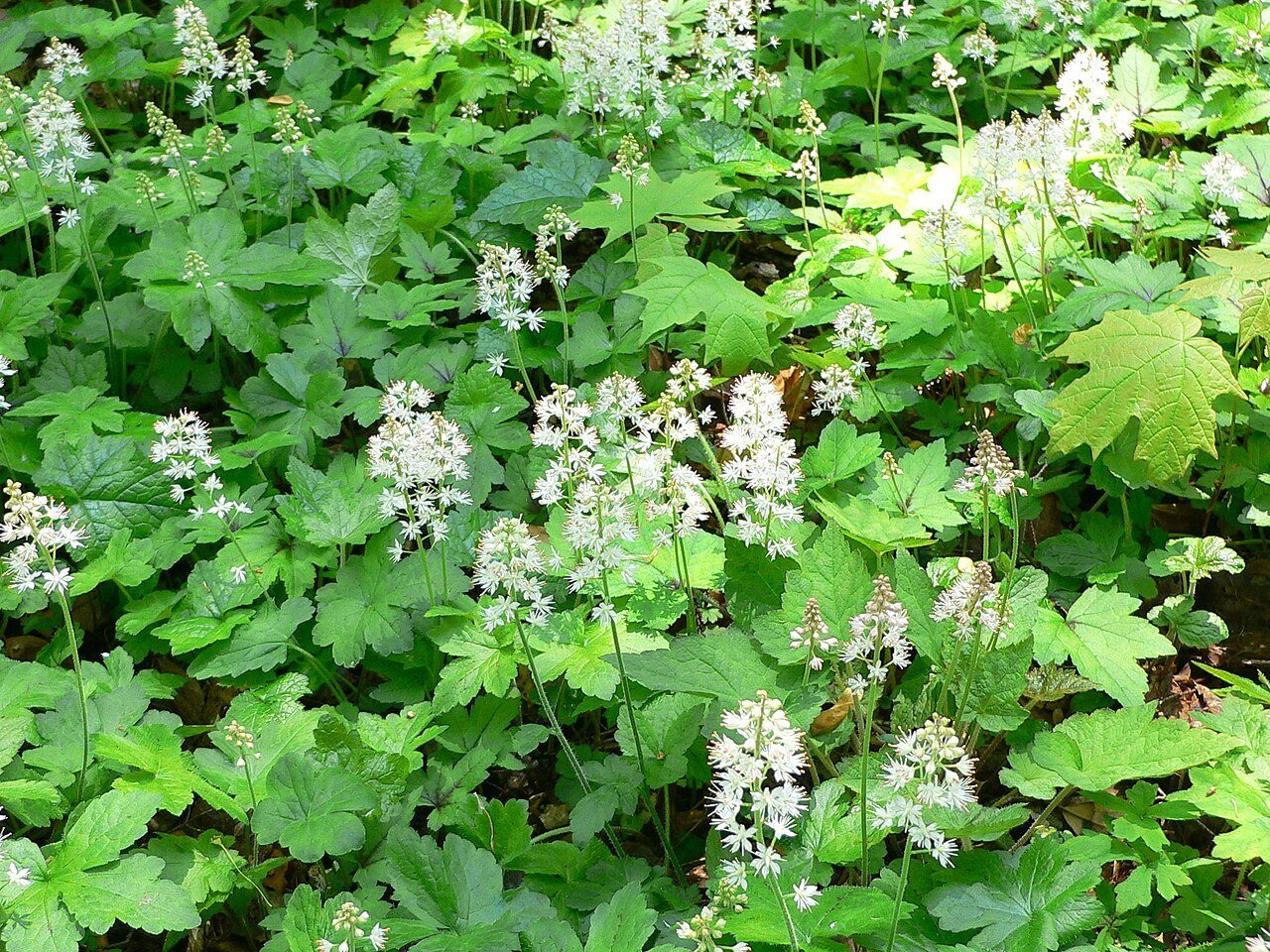
Foamflower (Tiarella cordifolia)
-
Native woodland perennial that thrives in shade to part shade.
-
Delicate spring flower spikes add seasonal interest.
-
Attractive foliage provides texture throughout the growing season.
-
Excellent choice for naturalized gardens and wooded lakefront properties.
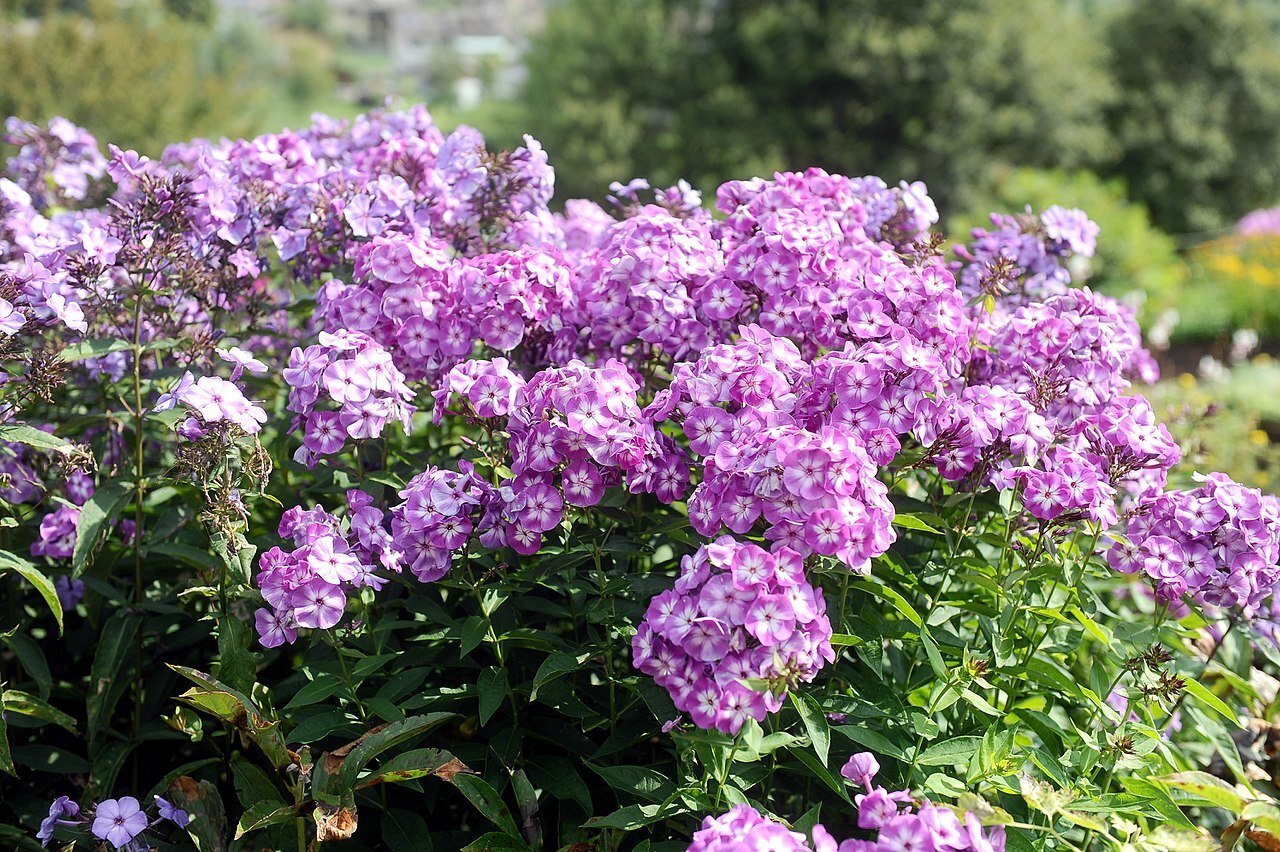 Garden Phlox (Phlox paniculata)
-
Long-lasting summer blooms.
-
Fragrant flowers.
-
Valuable for pollinators.
-
Performs well when matched to proper site conditions
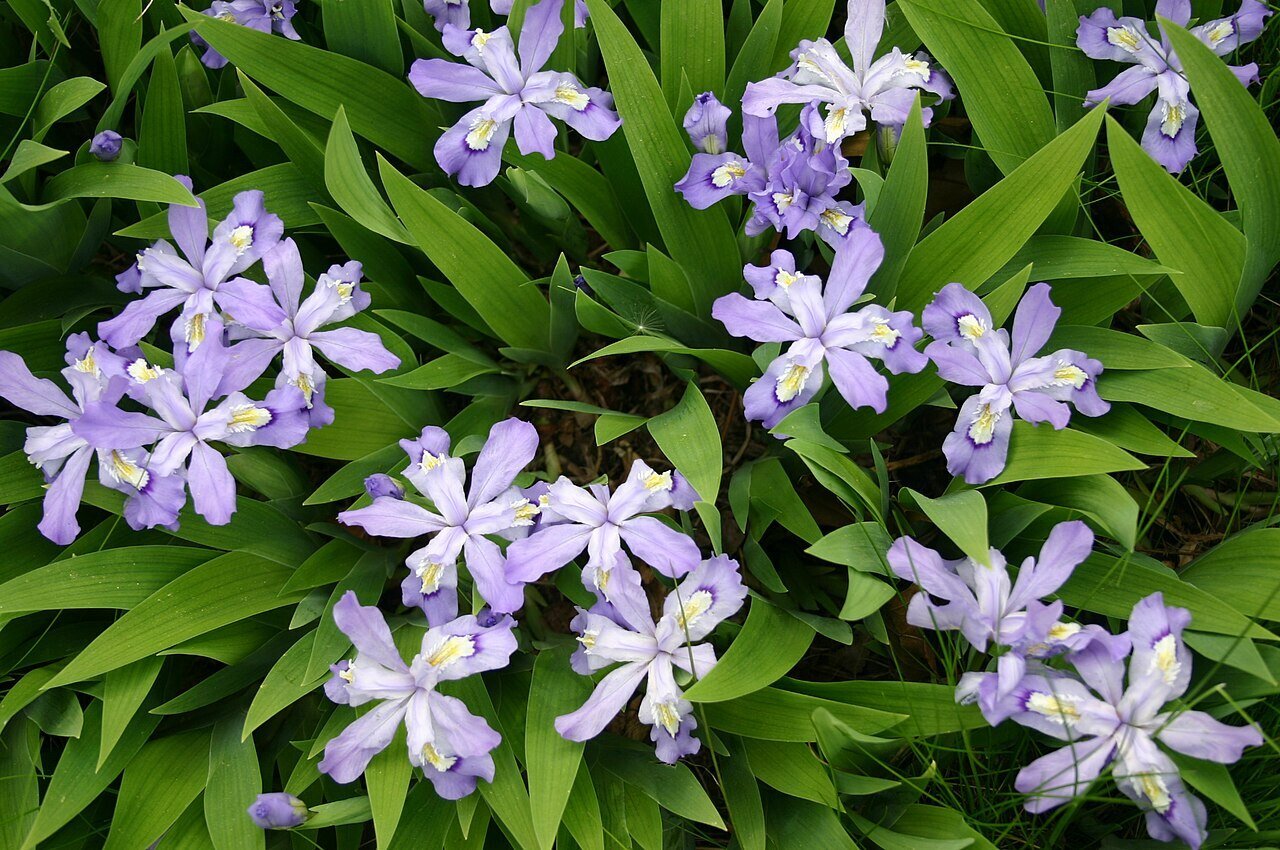
Dwarf Crested Iris (Iris cristata)
-
One of the Southeast's most charming native groundcovers.
-
Produces beautiful blue-violet flowers in spring.
-
Spreads slowly to form attractive colonies in woodland settings.
-
Well adapted to the shaded slopes often found around Lake Keowee.
FAQs About Choosing Native Plants
Are native plant selections different for Lake Keowee than Greenville?
The main difference between those regions is the rocky soil and waterfront conditions near the lake vs the more urban environment in Greenville. Sun exposure, soil type, and drainage can be different, which can alter the plant selections and what performs best there.
Do native plants require less maintenance than non-native plants?
In general, yes, native plants require less maintenance once they are established. This means less fertilizer, fewer pesticide apps, and overall less intervention because they’ve already evolved to thrive in our local environment.
How do I know if a plant is native to Upstate SC?
Native to Upstate SC is highly specific and limiting. Generally, people want to know if a plant is native to South Carolina or to the Southeast. You can always turn to a reputable nursery, like us, or use information from the Clemson Extension.
Will native plants require less water?
Yes, plants native to South Carolina will require less water. That’s because native plants are already adapted to natural rainfall patterns. That being said, they still do need regular watering, particularly as they are becoming established. And if we are in a period of drought, they’ll be more likely to stand up to it than non-natives, but it doesn’t mean they wouldn’t still benefit from watering.
Why Working with a Professional Matters
If you’re designing a new landscape, you want to feel confident about your plant choices. That’s why we recommend working with landscape design and installation in Greenville, Lake Keowee, and Upstate SC that has expertise in local plant knowledge. Horticultural experience will go a long way in getting the right plants in your design.
We know that you want your property to look its best and you also want to feel great about the service you’re getting. At Precision Landscape, we focus on being reliable, responsible, and doing things the right way so your landscape exceeds your expectations.
We also bring a lot of experience to the table and can help you make premium plant selections that will thrive on your property.
We’re here to make everything streamlined and easy for you. You can count on us to handle every detail with care so that your property looks exceptional.
Ready to get started? Fill out our consultation form today. We can help you design and install a meticulous landscape that you’re proud to show off.
Image Sources: eastern redbud, fringe tree, river birch, black gum, american hornbeam, virginia sweetspire, summersweet, oakleaf hydrangea, american beautyberry, carolina allspice, mountain witch-alder, coneflower, black-eyed susan, butterfly weed, foamflower, cardinal flower, dwarf crested iris, garden phlox